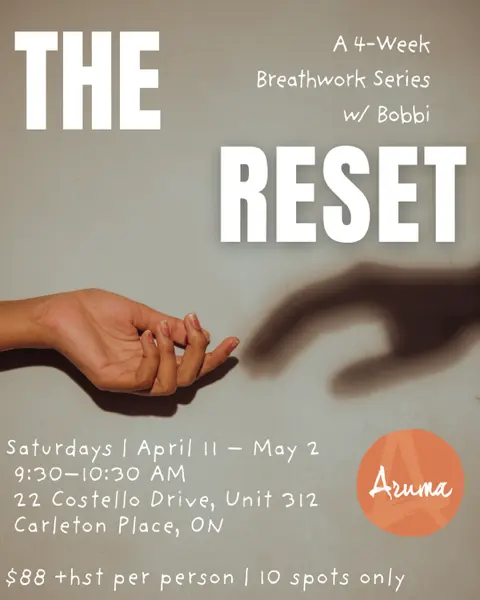
Somatic comes from the Greek word soma, meaning the living body.
In a mental-health context, somatic work refers to approaches that include the body as part of healing, rather than treating the mind and body as separate systems.
Trauma, chronic stress, and overwhelm don’t just live in our thoughts — they are held in muscle tension, breathing patterns, posture, heart rate, and the nervous system itself. Somatic approaches help people gently reconnect with these physical signals in a way that supports safety, regulation, and integration.
This work does not replace psychotherapy.
It supports it by helping the nervous system become more available for insight, processing, and change.


Many modern trauma therapies recognize that talking alone is often not enough — especially when the nervous system is in a state of survival.
As trauma therapist Peter Levine, PhD writes:
“Trauma is not what happens to us, but what we hold inside in the absence of an empathetic witness.”
Somatic work helps the body complete and release stress responses that were interrupted by fear, shock, or chronic overwhelm — creating more capacity for calm, clarity, and connection.
At Aruma, somatic services are offered in alignment with evidence-based mental health care and nervous-system-informed practice. Many clients use these services alongside their therapist as part of a whole-person approach to mental health. If you have any questions at all about whether these services may be a good fit for you, we warmly invite you to reach out—we’re happy to support and guide you.
Notifications